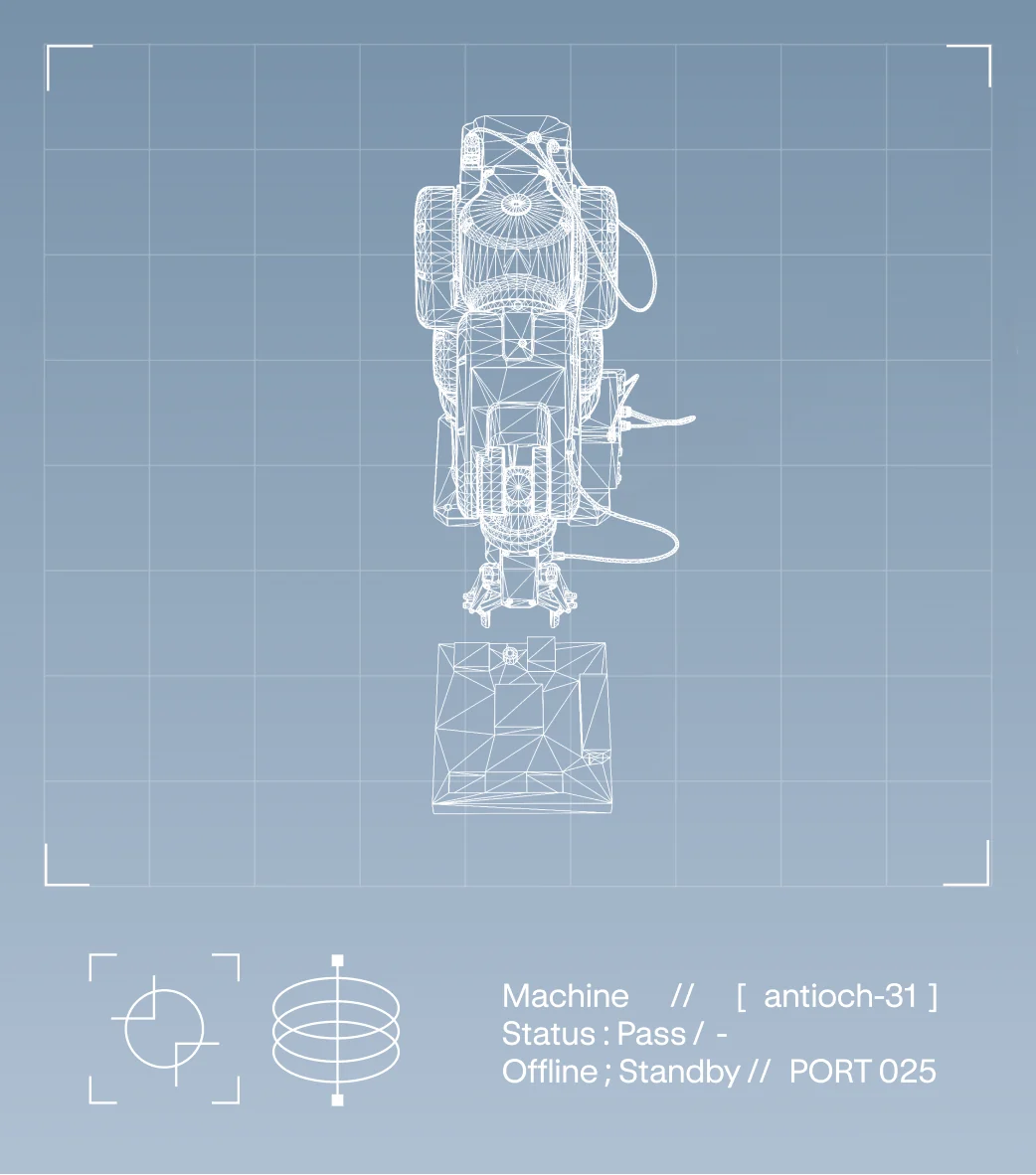
Validate your autonomy stack before physical commissioning
Prove a new deployment is safe, effective, and efficient in simulation before committing integration spend.
The questions Antioch answers
Will autonomy work for our task?
Test new systems using a high-fidelity digital twin of your deployment site before physical integration.
Which stack wins?
Compare different hardware and autonomy stacks in simulation before committing to a vendor.
How fast can we scale?
Reuse what transfers to the next cell, plant, and process, instead of starting each from scratch.
Where will it break?
Surface failure modes in simulation instead of on the plant floor.
With Antioch, select vendors and validate planned deployments before commissioning.
//[onboard]/
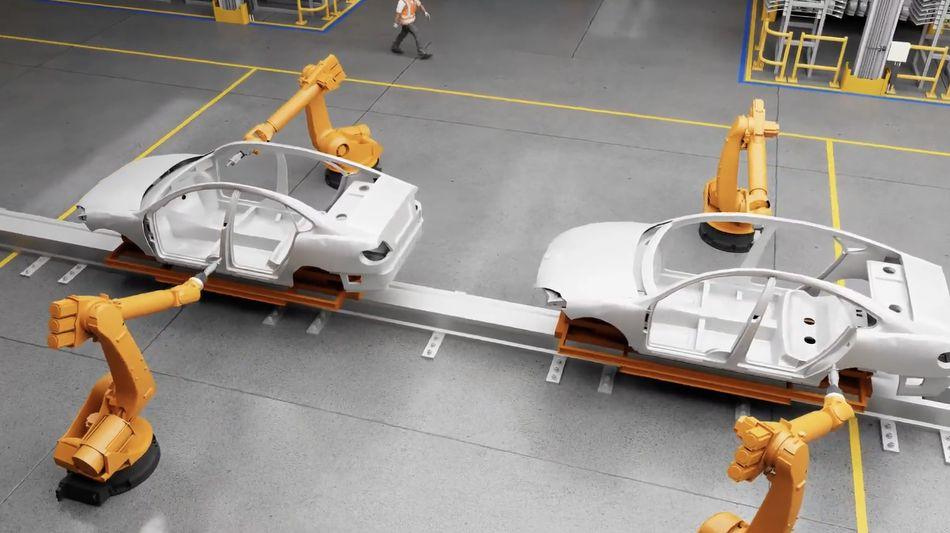
Onboard a precision-calibrated digital twin of your site
Antioch scans your facility, builds a digital twin, and generates realistic scene variants that capture your real target processes.
//[The Antioch agent]/
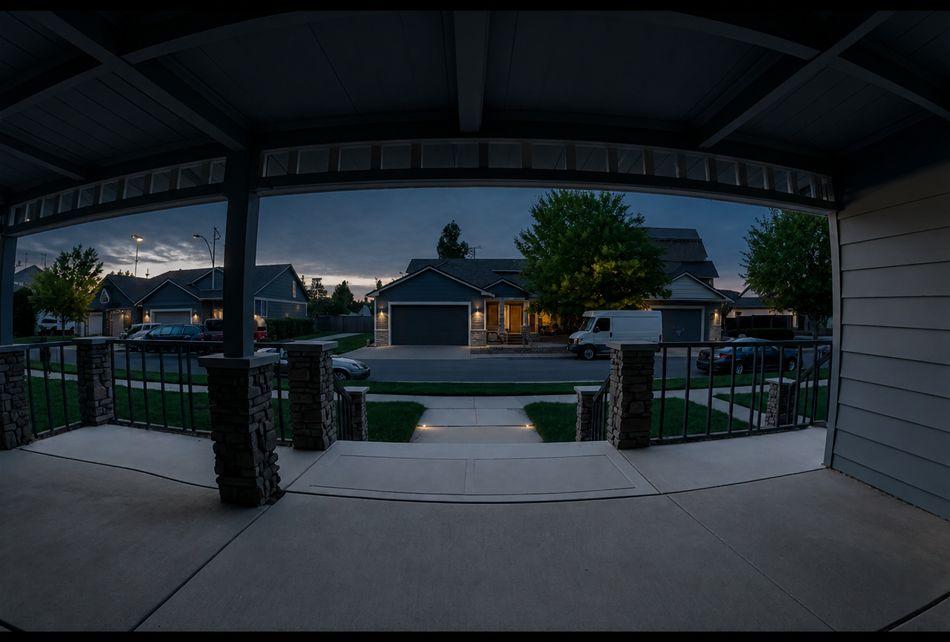
Select and tune the right autonomy configuration
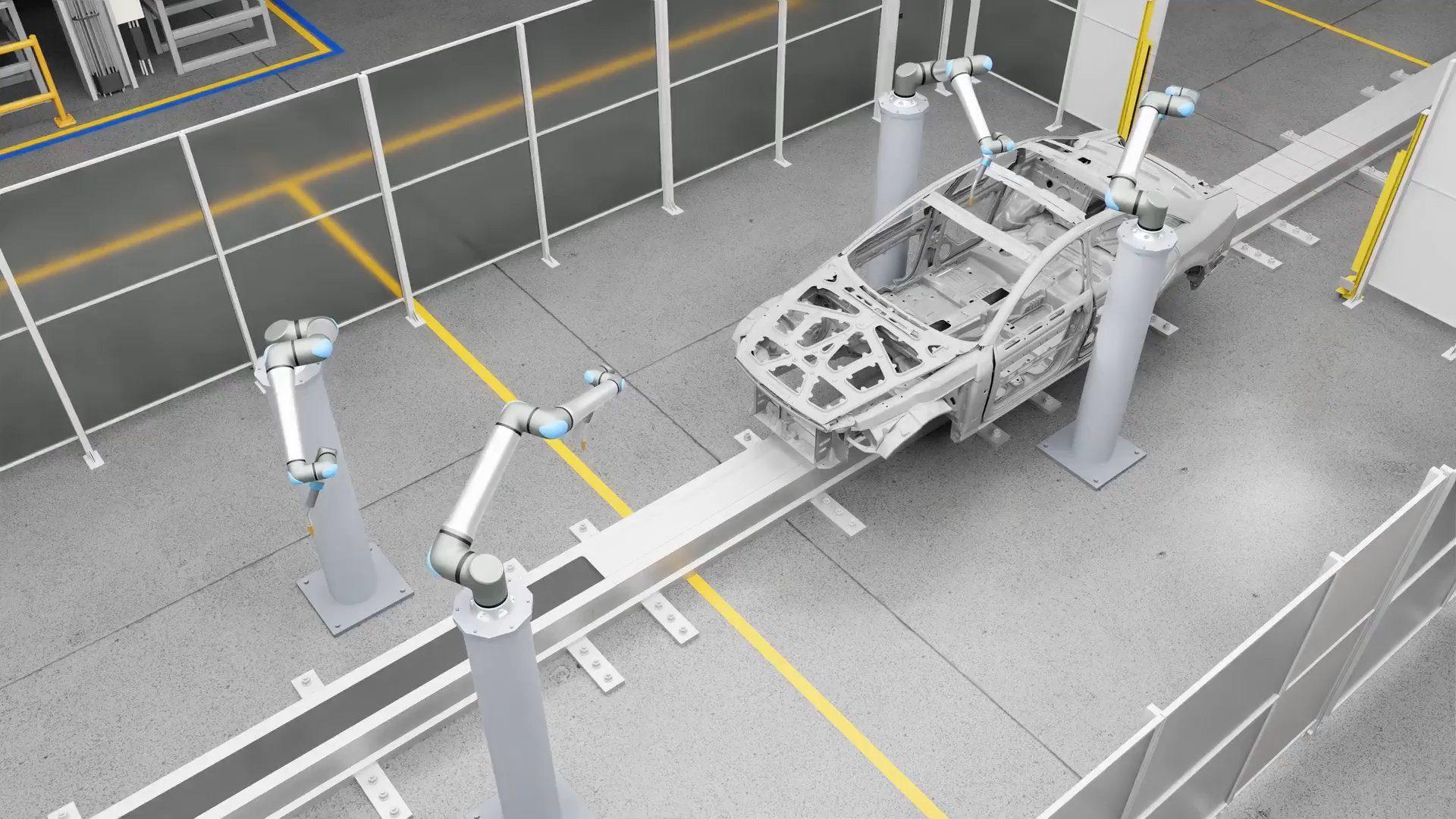
Compare hardware, perception stacks, and AI policies across vendors. Assess safety, reliability, and throughput. Test failure modes that are unsafe or impractical to reproduce on the floor.
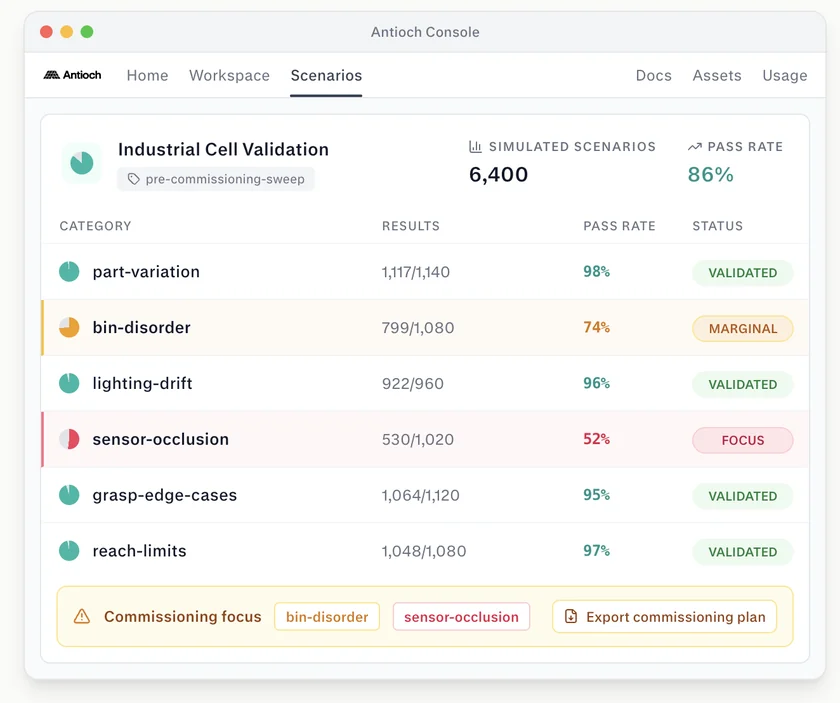
//[validate]/
Catch failures in simulation before they happen on the floor
Reproduce production failures in simulation to expand your test coverage.
What Antioch provides out of the box
Antioch is built from what we've seen succeed and fail across industrial autonomy programs, so your team starts with the state of the art.
High-fidelity digital twins
Simulate real hardware, perception pipelines, and control stacks with cutting-edge fidelity. Model your site’s layout, lighting, materials, human traffic, and more.
Configuration testing at scale
Compare robots, end-effectors, sensors, controllers, and perception stacks before committing to any physical setup.
Scenario generation and coverage
Test the long tail of deployment scenarios a cell must survive: part variation, bin disorder, lighting drift, sensor occlusion.
Massively parallel simulation
Run thousands of scenarios and candidate configurations at once, with managed compute, run history, and result comparison.
Sim-to-real calibration
Compare predictions against physical pilot results and update the model wherever reality diverges.
A production feedback loop
Use production data to reproduce failures in simulation and expand your test coverage.
See how simulation can accelerate your autonomy rollout
Talk to the team about selecting and validating your stack in simulation before integration spend.
Speak to the Team